Author: DC Homes

5 Best House Addition Tips: Avoid Common Mistakes and Stay on Budget

Thinking about adding space but worried about budget overruns and unexpected issues? This guide breaks down smart tips to help your house addition project succeed.

Adding square footage to your home is one of the most exciting and rewarding renovation choices you can make. Whether you’re creating space for a growing family or building out an in-law suite for aging parents, house additions offer a high return on comfort and resale value.

But here’s the catch. The most common mistakes in house additions in Columbus OH aren’t due to bad intentions. They happen because of unclear plans, underestimated costs, and mismanaged timelines. One homeowner in Clintonville spent $50K over budget simply because they didn’t realize a load-bearing wall needed to be replaced. That mistake stalled their project for three months.

Let’s make sure your project doesn’t fall into the same trap.

Why House Additions Are a Smart Investment But Only When Done Right

Adding space to your existing home often makes more financial sense than moving, especially in today’s competitive real estate market. You avoid realtor fees, moving costs, and the stress of finding a new neighborhood. Plus, home addition cost calculations frequently show better returns than purchasing larger homes.

The benefits extend beyond money. You get to customize exactly what you need, whether that’s a master suite, home office, or expanded kitchen. Your family stays in familiar schools and neighborhoods. You maintain the landscaping and improvements you’ve already invested in.

But here’s where many Columbus homeowners stumble: they focus on the exciting design possibilities while overlooking the planning details that make or break projects. Poor planning turns dream additions into nightmare experiences. Cost overruns of 25-50% aren’t uncommon when homeowners skip crucial preparation steps.

Consider Tom, who wanted to add a family room to his Westerville home. He hired the cheapest contractor without checking permits, assuming his contractor would handle everything. Three months later, the city shut down his project for code violations. The delays and corrections added $8,000 to his budget and pushed completion into winter, when material costs spiked.

Smart budgeting for house additions prevents these painful surprises. When you understand what drives costs and how to control them, your project becomes predictable and manageable.

Tip #1 – Start with a Crystal-Clear Plan and Realistic Budget

Ever heard the saying, “Fail to plan, plan to fail”? That applies tenfold to Columbus home renovation projects. One of the costliest mistakes homeowners make is jumping into construction with only a vague vision and no written scope.

If you want to avoid those “where did the money go?” moments, start by answering these questions:

  • What exact spaces are being added?
  • What square footage is needed?
  • What finishes are must-haves vs. nice-to-haves?

A professionally developed design plan ensures that everything from permits to plumbing is aligned upfront. It also lets you compare real-world costs with your dream features. When you work with residential addition contractors, you get a well-defined blueprint that avoids surprises.

FAB Breakdown:

  • Feature: Professionally scoped plan
  • Advantage: Clear pricing, clear timeline
  • Benefit: Peace of mind and complete control

Tip #2 – Know Your Local Columbus Regulations and Permits

Here’s something many homeowners don’t learn until it’s too late: not all additions are allowed in every neighborhood. Zoning laws and setbacks vary widely across Columbus and surrounding areas like Westerville and Hilliard.

Skipping permit requirements can mean halted construction or even court orders to tear down your addition. Avoid this costly and stressful scenario by:

  • Researching zoning laws and height restrictions
  • Understanding utility easements and property lines
  • Submitting permit applications with accurate plans

Residential remodeling services that operate locally will already understand these details. Their knowledge fast-tracks approvals and helps you stay compliant without headaches.

Tip #3 – Choose Materials That Balance Quality with Cost Efficiency

When budgeting for house additions, the materials you select can make or break your bottom line. Cheaper options may save now but often lead to repairs down the road. Think long-term, especially with Ohio’s unpredictable weather.

Columbus experiences freeze-thaw cycles, heavy rain, and hot summers. Your addition needs to be built with durable, moisture-resistant materials that won’t buckle or warp over time. Yet, that doesn’t mean going all-in on premium.

Smart cost-effective material strategies include:

  • Using engineered wood instead of hardwood
  • Opting for mid-range windows with energy-efficient coatings
  • Choosing vinyl siding that mimics high-end looks

Energy-efficient upgrades not only last longer but reduce utility bills over time—making your investment stretch further.

Tip #4 – Prepare for the Unexpected and Build Contingencies!

Even with the most detailed plan, surprises happen. You might uncover outdated wiring, foundation cracks, or pest damage once the walls come down.

That’s why smart homeowners build in a 10–15% contingency fund into their home addition cost planning. Instead of panicking when something goes sideways, you’ll have room in the budget to handle it gracefully.

Avoid these common risks:

  • Overlooking soil grading or drainage needs
  • Finding hidden mold or asbestos
  • Underestimating HVAC or electrical loads

Working with experienced remodeling contractors near me can drastically lower the odds of these surprises because they know what signs to look for in the early stages.

Tip #5 – Stay Involved, Communicate, and Manage Expectations

It’s tempting to hand the reins over once your contractor gets started, but staying involved is crucial. Weekly check-ins help you catch miscommunications early and keep everything on schedule.

Whether it’s reviewing change orders or adjusting your timeline, proactive communication makes all the difference. Use tools like:

  • Shared project dashboards
  • Weekly site walkthroughs
  • Budget and timeline updates

These habits reduce scope creep and align expectations. Good contractors encourage this collaboration, knowing that clear communication leads to happier clients.

Bonus Tip: Design Your Addition for Future Needs and Flexibility

Smart additions accommodate changing family needs over time. That home office might become a nursery, then a teenager’s bedroom, then a guest room. Flexible designs adapt to life changes without requiring additional renovations.

Consider aging-in-place features even if you’re currently young and healthy. Wide doorways, accessible bathrooms, and single-level living become valuable as you age. These features also appeal to future buyers if you decide to sell.

Columbus families increasingly work from home, creating demand for dedicated office space. Multi-generational living is growing, requiring separate entrances and privacy features. Forward-thinking designs accommodate these trends.

Energy efficiency and smart home technology add value and convenience. Wiring for future technology upgrades costs little during construction but enables expensive retrofits later. High-efficiency systems reduce operating costs throughout your ownership.

Think about maintenance requirements too. Complex designs with multiple roof lines and decorative features require more upkeep than simple additions. Balance visual appeal with practical maintenance needs.

Why Columbus Homeowners Trust DC Homes

Columbus is filled with beautiful homes, but not every contractor understands how to blend new additions with old character. That’s where DC Homes stands apart.

Our team specializes in Columbus home renovation, bringing decades of experience to every job. We know the neighborhoods, we understand the codes, and we deliver custom solutions that respect your budget and vision.

  • Fully licensed, bonded, and insured
  • Transparent pricing with no surprise fees
  • Exceptional reviews from clients in Clintonville, German Village, Bexley, and beyond
  • Custom design-build approach for every house addition project

Plan Your House Addition with Confidence Today

Ready to add space to your Columbus home but want to avoid the mistakes that derail other projects? Contact DC Homes for a free consultation and personalized project estimate. Our experienced team will evaluate your specific needs, explain your options, and provide transparent pricing that helps you make informed decisions.

Don’t wait until busy construction seasons limit your options or drive up costs. Schedule your consultation now while our calendar has availability for personalized attention to your project. With proper planning and expert guidance, your home addition project can deliver exactly what you envision while staying within budget and timeline expectations.

How Much Does a Deck Cost? Insights for First-Time Deck Builders

Planning your first deck? This guide breaks down costs, materials, and hidden expenses so you can build your dream outdoor space without surprises.

Planning your first deck is exciting. You can already picture the weekend barbecues, the quiet morning coffees, and the evenings spent with family under the stars. But one question quickly brings things back to reality: How much does a deck cost? This guide breaks down the costs, materials, and hidden expenses so you can build your dream outdoor space in Columbus without any nasty surprises.

Why Knowing Deck Costs Upfront Saves You Thousands

Last summer, my neighbor Mike decided to build his dream deck. He figured it would cost about $5,000 based on a quick Google search. Three months and $12,000 later, he was still paying off credit cards and dealing with code violations because he skipped the planning phase.

Mike’s story isn’t unusual. Most homeowners underestimate deck costs by 40-60% because they focus only on materials while ignoring labor, permits, site preparation, and those inevitable “while we’re at it” additions.

Here’s the painful truth: deck projects that start without clear budgets often end in three ways. They get abandoned halfway through, leaving you with an expensive pile of lumber. They get finished with cheap shortcuts that create safety issues and maintenance headaches. Or they blow your budget so badly that you’re eating ramen for months.

But when you understand the real costs from day one, you can make smart decisions about materials, features, and timing. You’ll know which corners can be cut safely and which investments will pay off for years. Most importantly, you’ll avoid the stress of watching costs spiral while your project sits unfinished.

Breaking Down the Primary Cost Factors of Your Deck

The deck cost breakdown gets complex quickly, but five main factors drive most of your expenses.

Size matters most. A basic 12×16 foot deck costs dramatically less than a 20×24 foot deck, even with identical materials and features. Square footage affects everything: materials, labor hours, permits, and structural requirements.

Material choices create the biggest price swings. Pressure-treated lumber might cost $15-25 per square foot installed, while premium composite decking can hit $35-50 per square foot. The difference on a 300-square-foot deck? Potentially $7,500 or more.

Labor costs vary based on complexity and local rates. Simple rectangular decks require fewer specialized skills than multi-level designs with curved edges and integrated seating. In Columbus, skilled deck contractors typically charge $25-45 per hour, but complex projects might require specialists who command higher rates.

Design complexity multiplies costs exponentially. Each level change, angle, or custom feature adds materials, engineering requirements, and labor hours. That curved corner might look amazing in your sketches, but it could add $1,000 to your project.

Location-specific factors often surprise first-time builders. Columbus weather means frost line considerations affect foundation depth. Local building codes might require specific structural elements. Permit costs and inspection fees vary by municipality, and some neighborhoods have architectural guidelines that limit your options.

Materials Matter: How Your Deck Choice Shapes Costs and Longevity

The materials you choose directly affect both the upfront cost and long-term maintenance. Here’s a decking materials cost comparison to guide your choices:

  • Pressure-treated lumber: Affordable and widely available, but requires frequent sealing and staining.
  • Cedar or redwood: Naturally beautiful and resistant to insects, though pricier and still maintenance-heavy.
  • Composite: Made of wood fibers and plastic, composite decks offer durability with minimal maintenance. Costs more initially but lasts longer.
  • PVC: Highly durable and water-resistant, though often at the highest price point.

Selecting the right material is about balance. Consider your budget, how much time you want to spend on maintenance, and how long you want the deck to last.

Design and Features That Boost the Price Tag and the Value

Deck design features cost can transform a basic platform into an outdoor living masterpiece, but they also transform your budget. Understanding which upgrades provide real value helps you prioritize spending.

Railings represent a required safety feature that offers style opportunities. Basic wooden railings cost $15-25 per linear foot, while glass panels or decorative metal work can hit $75-150 per linear foot. The good news? Attractive railings significantly boost your deck’s visual appeal and home value.

Built-in seating eliminates the need for separate furniture while maximizing space efficiency. Custom bench seating typically costs $100-200 per linear foot but provides weather-resistant seating that matches your deck perfectly.

Lighting extends your deck’s usable hours while creating ambiance. Basic post cap lights cost $25-50 each, while integrated LED systems with dimming controls can reach $200-500 per fixture. Smart homeowners focus on safety lighting first, then add accent lighting within budget constraints.

Pergolas and shade structures provide comfort during hot Columbus summers while adding architectural interest. Simple pergolas start around $1,500-3,000, while elaborate structures with retractable covers can exceed $8,000.

Privacy screens address neighbor concerns while creating intimate spaces. Options range from basic lattice panels ($50-100 per section) to custom privacy walls ($200-500 per section).

The key is prioritizing features that match your lifestyle. Love entertaining? Invest in good lighting and built-in seating. Prefer quiet mornings? Focus on privacy features and comfortable shade options.

DIY Deck Cost Considerations vs. Hiring Professionals: What’s Right for You?

The DIY vs. professional debate gets heated in online forums, but the right choice depends on your skills, available time, and risk tolerance.

DIY deck building can save 50-70% on labor costs, potentially cutting total project expenses from $15,000 to $8,000. But those savings come with significant hidden costs. Tool purchases or rentals can easily hit $500-1,000 for quality equipment. Mistakes with structural elements create safety risks and expensive corrections. Permit applications and inspections become your responsibility, along with all the paperwork and scheduling headaches.

Time represents the biggest hidden cost. Most weekend warriors need 4-8 weekends to complete a moderate deck, assuming good weather and no major complications. Factor in research time, multiple trips to lumber yards, and inevitable do-overs, and you’re looking at 60-100+ hours of work.

Code compliance creates another challenge. Columbus building codes cover everything from structural requirements to railing heights and stair specifications. Professional contractors know these requirements instinctively, while DIY builders often discover compliance issues during inspections.

Professional deck construction Columbus services bring experience, insurance, and accountability. Quality contractors provide warranties, handle permits, and complete projects on predictable timelines. They also maintain relationships with suppliers, often accessing better materials at lower costs than retail customers.

The smart middle ground? Handle demolition, site cleanup, and finishing touches yourself while leaving structural work and complex installations to professionals. This approach can save money while ensuring safety and compliance.

Permits, Regulations, and Hidden Fees in Columbus, Ohio

Columbus deck permits and regulations catch many first-time builders off guard. Skipping this step can result in expensive corrections, legal complications, and insurance headaches if problems arise later.

Most decks over 30 inches high require building permits in Columbus. The application process involves submitting detailed plans, structural calculations, and paying fees that typically range from $150-400 depending on project scope and property value.

Setback requirements determine how close your deck can sit to property lines. Most Columbus neighborhoods require 5-10 foot setbacks from rear and side property lines, but HOA rules might be more restrictive.

Electrical permits become necessary if you’re adding lighting, outlets, or fans. Licensed electricians must handle connections to your home’s main panel, adding $500-1,500 to project costs depending on complexity.

Inspection schedules require coordination throughout your project. Foundation inspections happen before concrete pours, structural inspections occur after framing completion, and final inspections verify code compliance before you can legally use your deck.

Utility marking represents a free service that prevents expensive accidents. Call 811 at least 48 hours before digging to mark underground utilities. Hitting a gas or electric line can create thousands in repair costs, not to mention safety risks.

Financing Your Deck: Budgeting Tips and Available Options

Once you know your budget, the next step is financing. Setting aside funds ahead of time helps prevent disruptions mid-project. Here are strategies for smarter planning:

  • Request multiple quotes to understand Columbus deck building prices.
  • Plan for a contingency fund of 10–15% for unexpected costs.
  • Explore financing or home equity options if you want to spread payments over time.
  • Consider phased construction: start with the essentials, then add features later.

Planning ahead ensures your dream deck becomes a reality without becoming a financial burden.

How DC Homes Makes Deck Building Transparent and Affordable

At this point, you might be wondering how to take all this knowledge and put it into practice. That’s where the right partner makes all the difference.

DC Homes specializes in renovation and remodeling across Columbus, including decks. We provide clear, itemized quotes so you know exactly what you’re paying for. From decking materials cost comparison to deck design features cost, our experts walk you through every detail. With professional deck construction Columbus, we handle permits, compliance, and timelines, removing the stress from your shoulders.

For first-time builders especially, our transparent process ensures you get the deck you want without hidden fees or frustrating delays.

Get a Free Deck Cost Estimate from DC Homes Today

You’ve done the research, understood the factors, and probably sketched your dream deck on a napkin or two. Now you’re ready for the next step: getting a professional estimate that turns your vision into reality.

DC Homes offers free, no-obligation consultations for Columbus homeowners ready to explore their deck building options. We’ll visit your property, discuss your goals and budget, and provide detailed cost breakdowns that help you make informed decisions.

Our estimates include everything: materials, labor, permits, and timeline projections. You’ll know exactly what your project will cost before we drive the first screw, and you’ll have the peace of mind that comes with working with experienced professionals who care about your satisfaction.

Ready to stop wondering how much does a deck cost and start building the outdoor space your family deserves? Contact DC Homes today to schedule your free consultation. Your perfect deck is closer than you think.

Quartzite vs Quartz: Which Is the Best Choice for Your Kitchen Countertops?

Not all countertops are created equal. Discover the real kitchen game-changer that upgrades function, boosts style, and increases your home value in Columbus.

Not all countertops are created equal. You’re standing in your kitchen, coffee in hand, staring at those dated laminate surfaces that scream 1995. The quartzite vs quartz debate has probably crossed your mind more than once as you scroll through those gorgeous renovation photos on Pinterest. Here’s the thing though: choosing the wrong best countertop material could cost you thousands in regret down the road.

Your kitchen countertops work harder than your morning espresso. They handle everything from hot pans to homework sessions, and they’re one of the first things potential buyers notice if you ever decide to sell. So let’s cut through the marketing fluff and get real about what these materials can actually do for your space.

Why Your Countertop Choice Matters

Picture this: your neighbor just finished their kitchen remodel and invited you over for dinner. The moment you walk in, your eyes go straight to those stunning countertops. They’re practically glowing under the pendant lights, and you can’t help but think about how tired your own kitchen looks in comparison.

That’s the power of the right surface choice. Luxury kitchen surfaces don’t just look good; they become the foundation of how your kitchen functions every single day. When you’re prepping vegetables for Sunday dinner or helping kids with art projects, your countertops are right there in the thick of it.

For homeowners in Columbus, this decision carries extra weight. Our Ohio weather puts homes through the wringer with temperature swings that can affect how materials expand and contract. Plus, if you’re thinking about selling in the next few years, the right countertops can bump your home value by thousands. The wrong choice? Well, let’s just say buyers notice outdated surfaces faster than you can say “price reduction.”

Think about your daily routine. How many times do you lean on, cut on, or place hot items on your counters? Now multiply that by 365 days, then by however many years you plan to stay in your home. That surface needs to be tough enough to handle whatever life throws at it.

What Are Quartzite and Quartz?

Let’s start with quartzite. This is the real deal when it comes to natural stone countertops. Mother Nature spent millions of years transforming sandstone into this incredibly hard material through heat and pressure. Think of it as sandstone that went to the gym and came back absolutely ripped. Each slab tells its own story with veining patterns that no factory could ever replicate.

Quartz countertops tell a different story. These engineered stone countertops combine about 90% ground quartz with resins and pigments. It’s like taking nature’s blueprint and giving it a high-tech makeover. Manufacturers can control everything from color consistency to patterns, creating surfaces that look stunning while solving some of the challenges that come with natural stone.

Here’s where it gets interesting: both materials contain quartz mineral, but they’re about as different as a wild horse and a well-trained thoroughbred. One’s straight from the earth with all its beautiful imperfections, while the other’s been engineered to perform exactly as designed.

The confusion often starts with the names. People hear “quartz” and think both materials are the same thing. Not even close. Quartzite forms naturally in the ground over geological time scales. Quartz countertops get made in factories using advanced manufacturing processes. Both have their place, but understanding this difference is crucial for making the right choice.

Durability Face-Off: Everyday Strengths & Weaknesses

If your kitchen sees a lot of traffic (and if you’ve got kids, pets, or late-night snackers, it probably does), durability becomes non-negotiable.

Here’s how they stack up:

Quartzite

  • Heat-resistant: You can place hot pans directly on it.
  • Scratch-resistant: Tough enough for daily wear and tear.
  • Porous: Needs sealing to resist staining from oils, wine, or acidic foods.

Quartz

  • Non-porous: No sealing needed, ever.
  • Stain-resistant: Stays spotless with minimal effort.
  • Heat-sensitive: Can discolor with direct exposure to high temps.

So if you’re big on hosting or have a house full of mess-makers, quartz might be your low-maintenance friend. But if you love to cook and need a surface that won’t flinch under heat, quartzite might be your warrior.

Aesthetics and Style Trends

Walking into a showroom and seeing both materials side by side reveals their personality differences immediately. Quartzite brings that authentic, one-of-a-kind beauty that comes from geological processes. No two slabs look identical, and the veining patterns range from subtle whispers to bold statements that demand attention.

Quartz offers something different: consistency and control. Want a specific color that matches your cabinet hardware perfectly? Quartz can deliver. Need a pattern that flows seamlessly across a large island? Engineered stone has you covered. The design possibilities seem endless, from solid colors that create clean, modern looks to patterns that mimic natural stones.

Current kitchen remodel trends lean heavily toward both materials, but for different reasons. Homeowners choosing quartzite often want that authentic, high-end look that photographs beautifully and feels substantial. Those selecting quartz typically prioritize the clean, consistent appearance that works well with contemporary design styles.

Color temperature plays a huge role in how these materials photograph and feel in your space. Quartzite tends toward warmer tones with its natural mineral composition, while quartz can be engineered to achieve cooler grays and whites that some modern designs demand.

The veining story matters too. Quartzite’s veins formed through geological processes, creating patterns that flow naturally across the stone. Quartz patterns get designed and repeated, which can sometimes look obvious if you know what to look for, though quality manufacturers have gotten much better at creating realistic variations.

How Much Work Will You Do?

Here’s where the rubber meets the road: how much effort are you willing to put into keeping your counters looking great? Both materials need daily cleaning, but their long-term care requirements differ significantly.

Countertop maintenance tips for quartzite start with sealing. Plan on resealing every 1-2 years to maintain stain resistance. The process isn’t complicated, but it’s another item for your home maintenance checklist. Between sealings, daily care involves wiping up spills promptly and using pH-neutral cleaners to avoid damaging the surface.

Quartz makes maintenance almost effortless. No sealing required, ever. Clean spills whenever you get around to it. Use regular household cleaners without worry. The engineered surface maintains its appearance with minimal effort, making it appealing for busy households.

But quartz has its own quirks. Direct sunlight can cause some colors to fade over time, especially in kitchens with large windows. Heat marks from hot pots create permanent damage that requires professional repair. These aren’t deal-breakers, but they’re worth considering if your cooking style involves lots of hot cookware.

Quartzite handles heat beautifully but demands respect for its natural porosity. Acidic substances like lemon juice or vinegar can etch the surface if left too long, creating dull spots that need professional restoration. Regular sealing prevents most staining, but vigilance pays off.

Is Quartzite or Quartz a Better Investment Price-Wise?

Cost isn’t just about the number on the invoice. It’s also about long-term value.

Quartzite usually costs more, both for material and installation. It’s heavier and harder to fabricate, which means labor costs rise. Expect to pay between $90–$150 per square foot installed.

Quartz is typically more budget-friendly, averaging $70–$120 per square foot. It’s easier to install and more readily available.

So which delivers better ROI?

  • If you’re flipping a home or upgrading to sell, quartz might offer better bang for your buck, especially if aligned with current design trends.
  • If this is your forever kitchen, and you’re investing in timeless beauty, quartzite may hold its appeal and value longer

The Columbus Difference: Weather, Home Value, and Local Expertise

Ohio’s climate presents interesting challenges for kitchen materials. Our temperature swings from winter heating to summer humidity can affect how different materials perform over time. Quartzite’s natural composition handles these changes well, expanding and contracting at rates similar to other natural stones.

Quartz engineered surfaces respond differently to temperature changes due to their resin content. Extreme temperature variations can sometimes cause expansion issues, though quality installation with proper expansion gaps prevents most problems.

Local home values in Columbus neighborhoods show strong appreciation for both materials, but buyer preferences vary by area and price point. Homes in established neighborhoods often benefit more from natural stone choices, while newer developments might favor the consistent appearance of engineered surfaces.

Columbus homeowners also deal with specific lifestyle factors. Our love for entertaining, especially during football season, means countertops need to handle everything from hot chili pots to numerous beverage glasses. Both materials perform well, but understanding their individual strengths helps match the right surface to your lifestyle.

Which Is Best for Your Home?

Still torn between quartzite vs quartz? Ask yourself:

  • Do I want a natural look, or a more uniform modern style?
  • Am I willing to do annual maintenance, or do I want zero upkeep?
  • Will I be using the kitchen heavily for cooking, or mostly light use?
  • What’s my budget and how long do I plan to stay in the home?
  • Do I want to match current trends, or create a timeless feel?

There’s no one-size-fits-all answer here. But asking the right questions will point you to the surface that complements your life, not complicates it.

Ready for a Kitchen That’s All You?

Whether you lean toward the elegance of natural stone countertops like quartzite or the simplicity of engineered stone countertops like quartz, one thing’s for sure—your kitchen deserves to be more than just functional. It should feel like home.

At DC Homes, we specialize in helping Columbus families and investors choose the best countertop material for their lifestyle and design goals. Our renovation experts provide guidance from consultation through installation—without pressure, and with real answers to your real concerns.

Your dream kitchen is closer than you think. Let’s make it real.

Contact DC Homes today for a free consultation and see what’s possible.

Top 10 Pantry Door Ideas for Modern Kitchens

Ready to transform your kitchen’s most overlooked feature? These pantry door ideas blend style, space-saving innovation, and modern charm, making your kitchen the envy of Columbus.

Outdated, clunky, or bland pantry doors can hold your kitchen back. They interrupt the flow, limit usable space, and feel like an afterthought in otherwise beautiful homes. For homeowners across Columbus, that can be especially frustrating—why invest in a stunning kitchen if the pantry door sticks out like a sore thumb?

Here’s the good news: replacing your pantry door is one of the easiest ways to make a major visual and functional upgrade. Whether you’re all about clean lines, farmhouse flair, or bold modernism, there’s a solution that fits your lifestyle.

Below, we break down 10 stunning modern pantry door ideas that offer both form and function. From space-saving upgrades to statement pieces, these choices fit Columbus homes perfectly—whether you’re remodeling, flipping, or simply updating.

1. Sliding Barn Pantry Doors: Rustic Meets Modern

sliding barn pantry doors

Sliding barn doors have gone from country classic to kitchen centerpiece. With their horizontal sliding mechanism, they free up valuable floor space and keep the flow open. That’s a game-changer for Columbus homes with open floor plans.

Features: Wall-mounted track, various wood finishes, easy gliding
Benefits: No swinging doors taking up space
Advantages: Blends rustic charm with sleek practicality

Why Columbus families love it: Great for busy kitchens where kids, pets, and parents need to move freely.

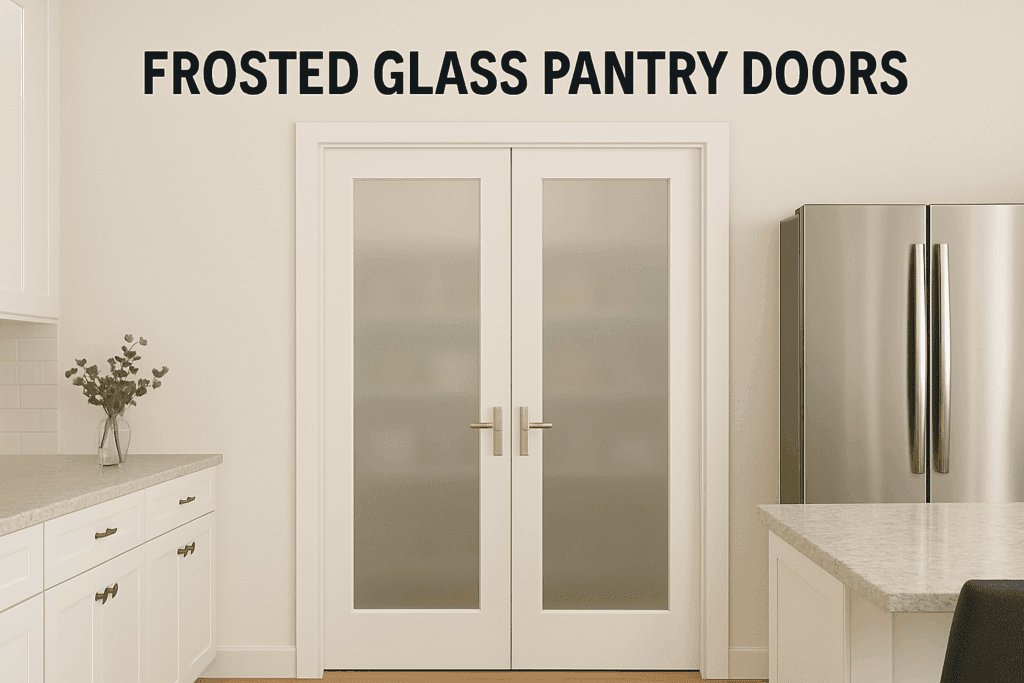
2. Frosted Glass Pantry Doors: Privacy with Light

Frosted glass pantry doors

Elegant and minimal, frosted glass doors offer just enough transparency to let light through while still concealing what’s inside.

Want the kitchen to feel brighter without showing off your snack shelf? This option nails the balance.

Grab attention with clean design
Build interest through light-enhancing properties
Create desire for that open, modern aesthetic
Take action: Opt for this during your next pantry door renovation to maximize light and privacy.

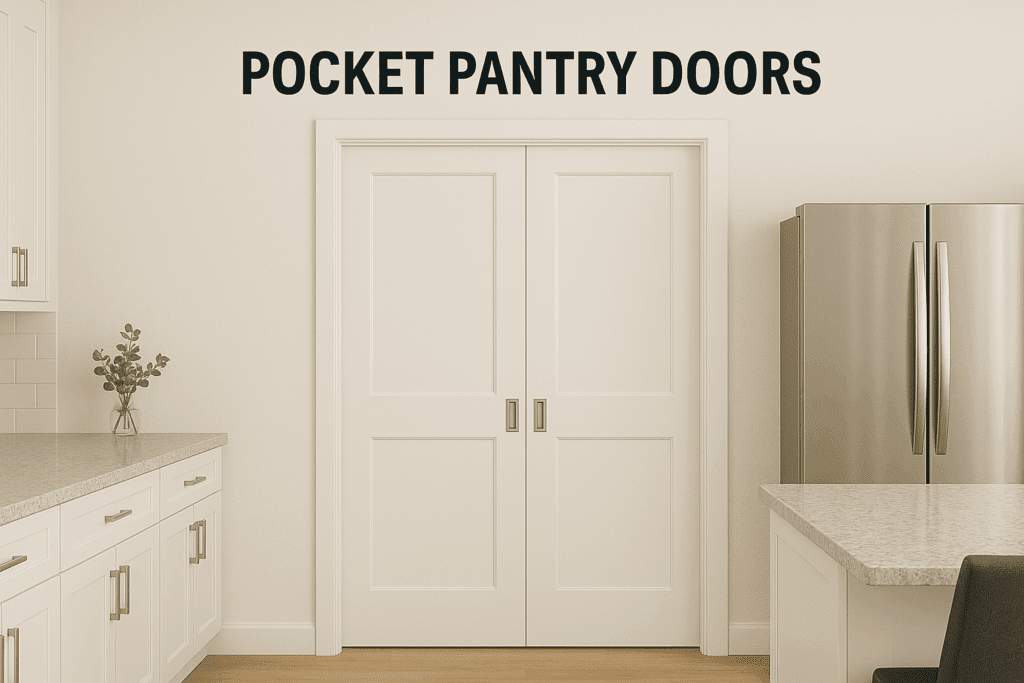
3. Pocket Pantry Doors: Hidden Convenience

Pocket pantry doors

One of the best space-saving pantry doors, pocket doors slide right into the wall cavity, vanishing when open. They’re especially ideal for older Columbus homes where kitchen space is limited.

You won’t have to rearrange furniture or make awkward movements around an open door ever again.

Perfect for:

  • Galley kitchens
  • Apartments and condos
  • Homeowners with a minimalist vibe

They may be invisible while open, but they make a lasting impression when closed, especially when matched to cabinetry or wall color.

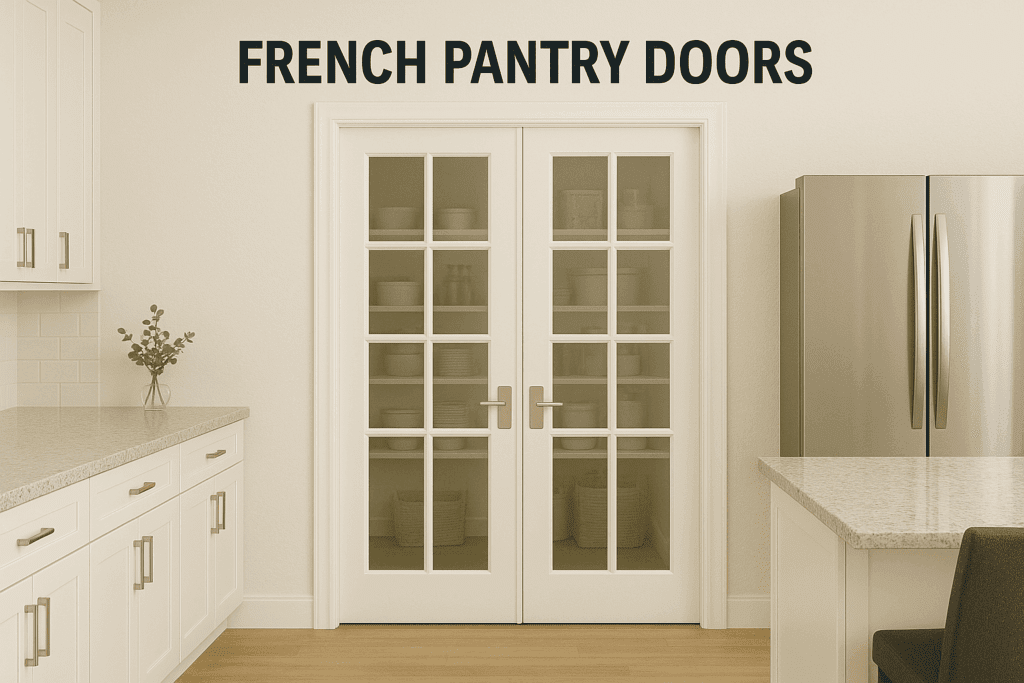
4. French Pantry Doors: Classic Elegance

French pantry doors

French doors aren’t just for patios. Framed with glass panels, these pantry doors bring in natural light and sophistication. They’re great for homeowners who crave a luxurious yet timeless look.

Perfect fit for:

  • Empty nesters upgrading for comfort
  • Renovation lovers wanting a soft, romantic touch
  • Style-conscious homeowners who appreciate symmetry

This kitchen pantry door style instantly elevates your space and pairs well with both modern and traditional kitchen themes.

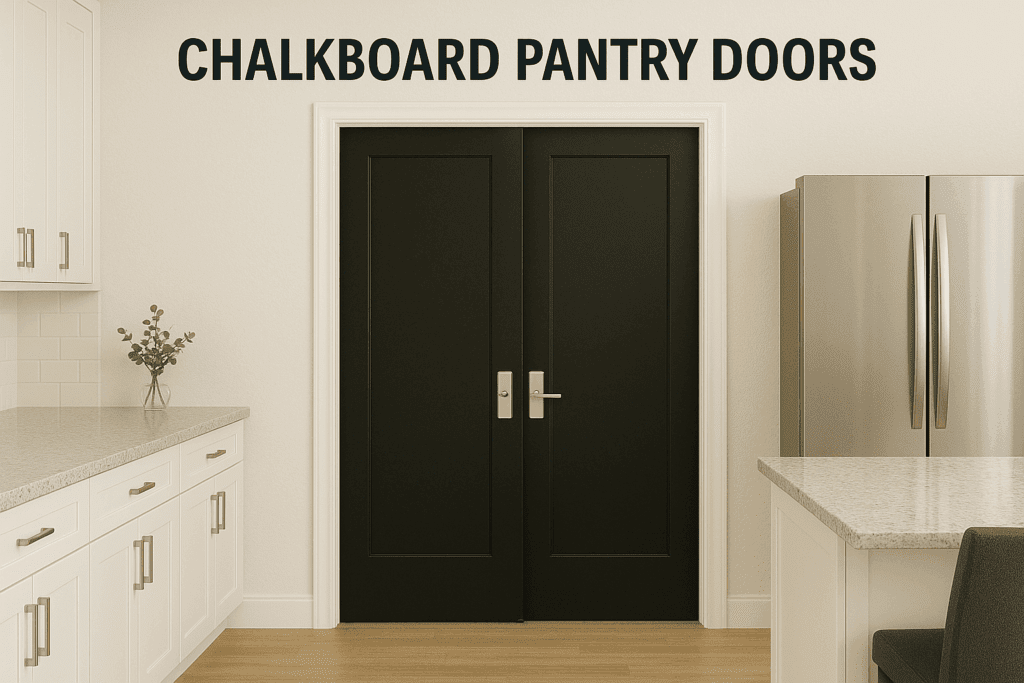
5. Chalkboard Pantry Doors: Functional and Fun

Chalkboard pantry doors

Who says doors can’t multitask?

Chalkboard doors turn your pantry into a creative hub. Write grocery lists, plan meals, leave notes, or just let the kids draw while dinner simmers.

Why homeowners love it:

  • Combines utility with personality
  • Keeps lists and reminders in one visible place
  • Adds a fun DIY touch without breaking the budget

A fantastic pick for families and creative types who want their kitchen to feel lived-in and lively.

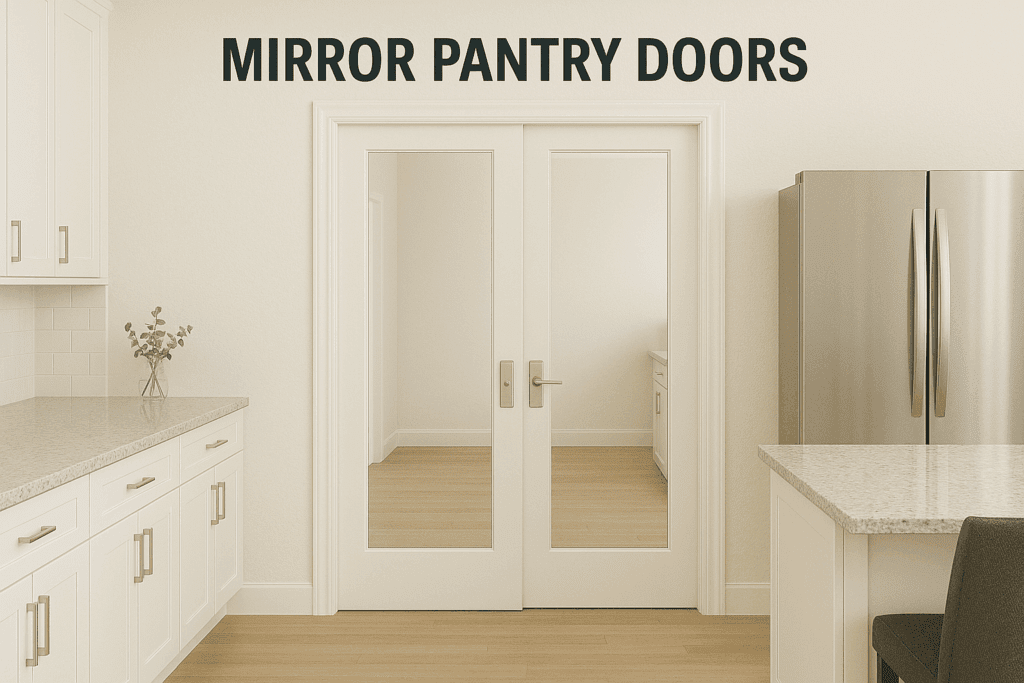
6. Mirror Pantry Doors: Illusion of Space

Mirror pantry doors

Tight kitchen? Try mirrored pantry doors.

They bounce light, create the illusion of more square footage, and double as a quick spot to check your look before guests arrive.

This smart design solution is especially popular in downtown Columbus homes and condos, where maximizing every inch matters.

Bonus: Mirrors add a sleek, modern flair without heavy renovation.

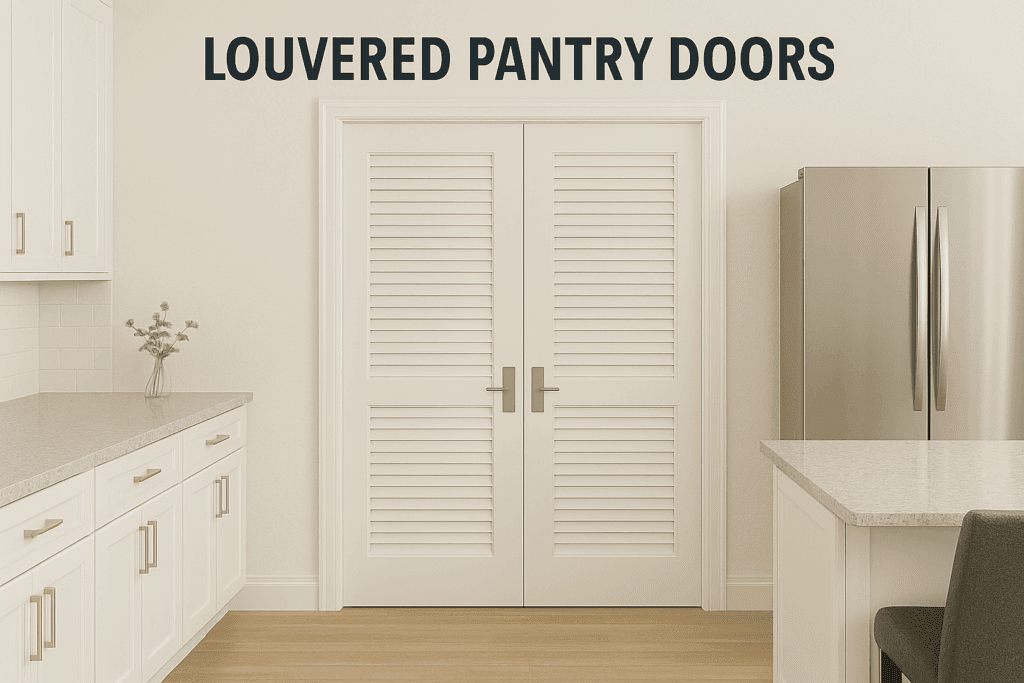
7. Louvered Pantry Doors: Ventilation Meets Style

Louvered pantry doors

With slatted panels, louvered doors keep air circulating in and out of your pantry; perfect for food that needs ventilation like potatoes, onions, or dry goods.

But don’t let the functionality fool you. Today’s louvers come in modern finishes and slim profiles, making them a stylish complement to kitchen pantry door styles trending in Columbus.

Pair them with soft whites or beachy blues to tap into the farmhouse or coastal aesthetics gaining traction locally.

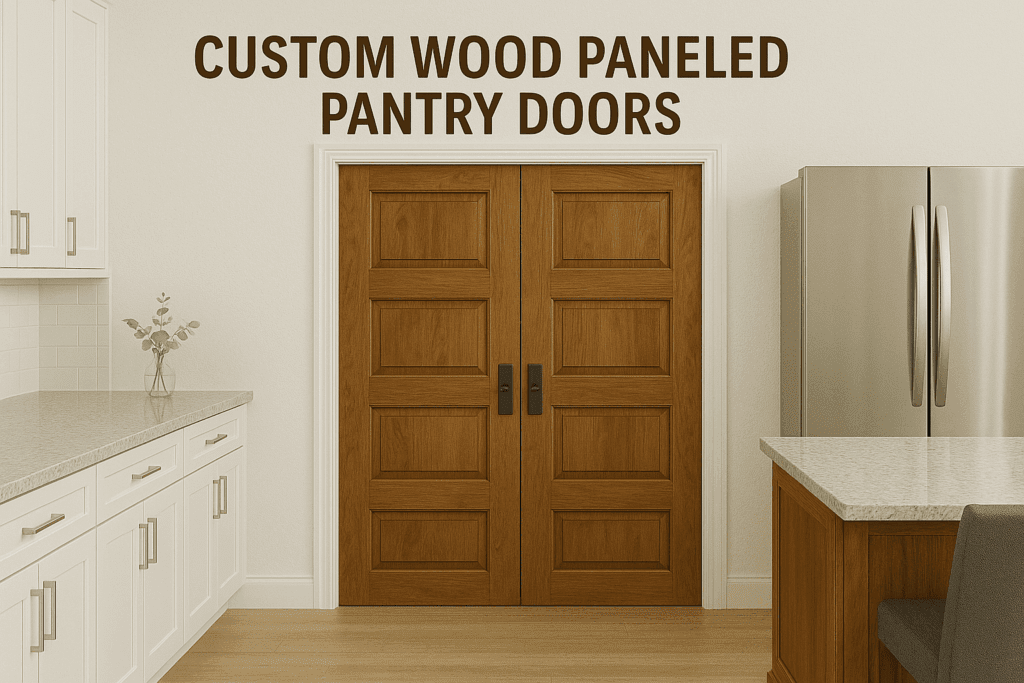
8. Custom Wood Paneled Pantry Doors: Tailored Luxury

Custom wood paneled pantry doors

Looking for a signature statement? Custom wood doors are it.

Crafted to match or contrast with your cabinetry, these doors offer a high-end, personalized finish. You choose the grain, stain, and hardware.

Perfect for:

  • Renovation enthusiasts
  • Columbus homeowners looking to boost home value
  • Kitchens that aim for cohesion and detail

Among the top pantry door design trends today, these doors turn ordinary into remarkable.

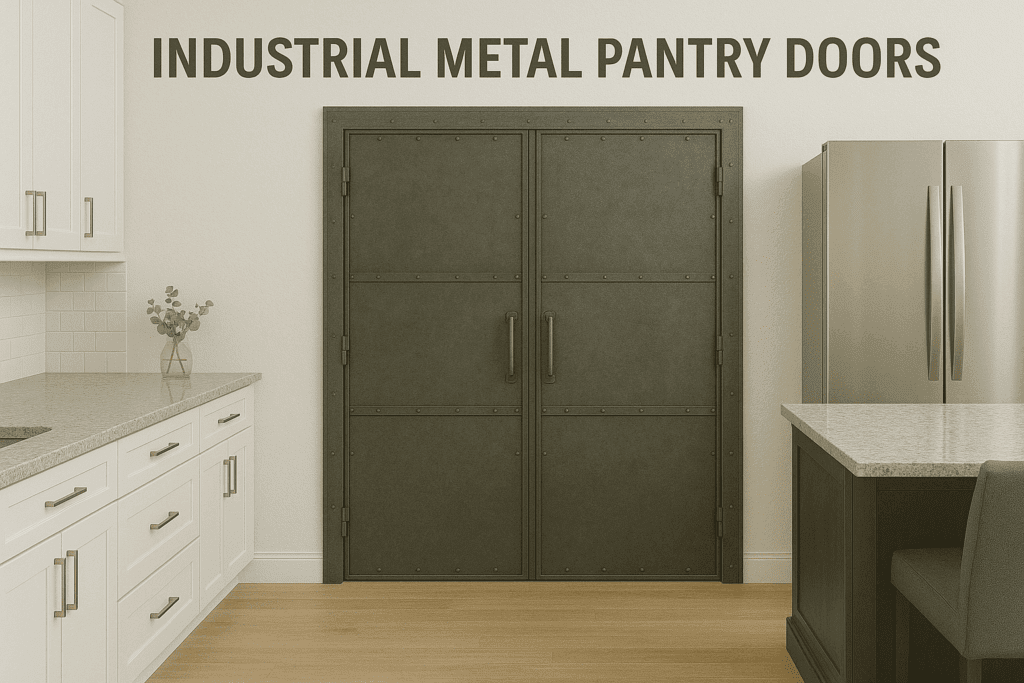
9. Industrial Metal Pantry Doors: Trendy and Durable

Industrial metal pantry doors

Sleek. Bold. Unexpected.

Industrial metal doors, whether solid steel, glass-framed aluminum, or mesh, bring an urban vibe into the kitchen. They’re built to last and make a clear visual statement.

Why it works in Columbus:

  • Blends well with exposed brick or modern cabinetry
  • Adds edge to soft-toned kitchens
  • Holds up under high traffic and wear

If you want your kitchen to stand out and stay strong, this one checks every box.

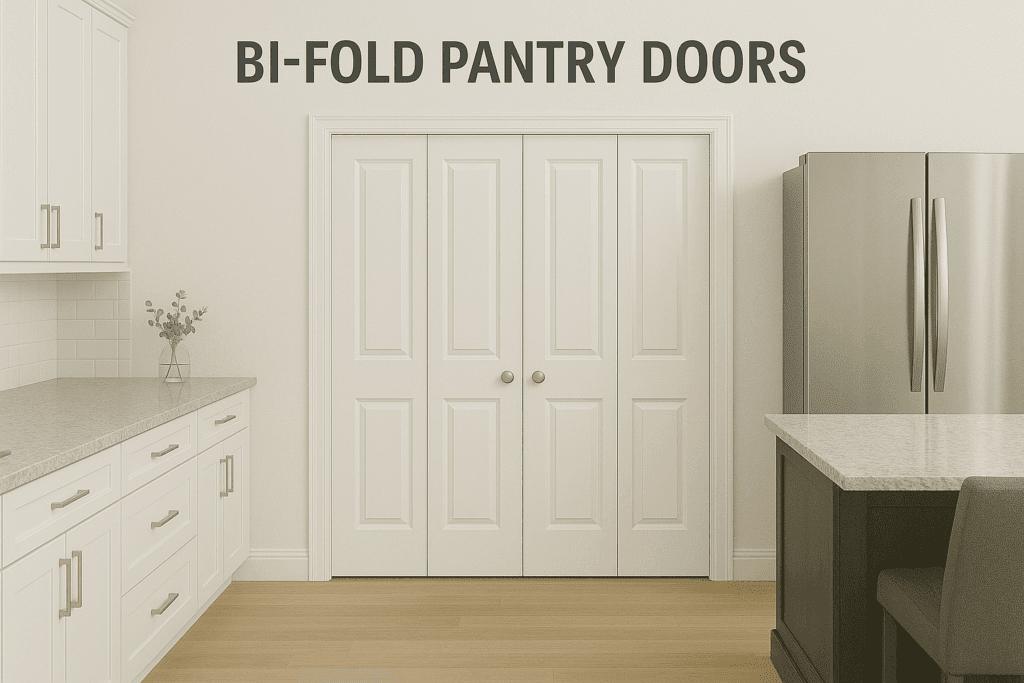
10. Bi-Fold Pantry Doors: Space-Efficient and Accessible

Bi-fold pantry doors

Bi-fold doors fold inward, offering full pantry access without taking up too much room. It’s a smart pick for homes with tight corners or L-shaped layouts.

Why families love them:

  • Quick access during the dinner rush
  • Easy for kids to operate
  • Available in wood, glass, or composite materials

Among the best sliding pantry doors Columbus homeowners are exploring, these offer everyday function without sacrificing style.

Why Choose DC Homes for Your Pantry Door Renovation?

Still unsure which door fits your space, lifestyle, or budget?

We get it—renovation projects can feel overwhelming. You might be asking:

  • What if it’s too expensive?
  • What if it doesn’t turn out right?
  • What if it drags on for weeks?

That’s where DC Homes shines.

We create smooth, smart, and stylish upgrades that fit Columbus homes inside and out. Our team walks you through every step, offering insights into what styles match your kitchen layout, what materials withstand Ohio weather, and how to stay on budget without cutting corners.

With a deep understanding of local design trends, building codes, and homeowner needs, we’re the trusted partner for turning your pantry into a feature worth showing off.

Book a free consultation with DC Homes today to explore custom pantry door renovation ideas that match your taste, space, and goals.

Transform Your Kitchen and Lifestyle with Smart Pantry Door Ideas

From sliding barn doors to bi-fold wonders, the right pantry door idea doesn’t just upgrade your kitchen. It transforms the way you live in it.

Whether you’re chasing style, maximizing space, or prepping your home for sale, smart pantry doors play a major role. And with solutions tailored to every budget and kitchen size, there’s never been a better time to make the switch.

So go ahead. Rethink the door. Reimagine your kitchen. And let DC Homes help you bring your vision to life.

Satin vs Matte Paint Finish: The Ultimate Guide for Homeowners and Remodelers

Choosing the right paint finish can make or break your next renovation. Don’t let a simple decision turn into a costly regret.

Satin vs matte: which is better?

Choosing the right paint finish sounds easy until you’re standing in the paint aisle surrounded by dozens of sheen levels, product labels, and decisions that impact both style and durability. The satin vs matte debate is one of the most common questions Columbus homeowners and remodelers face. Before you pick up a roller, it pays to know how the finish you choose will affect the look, feel, and maintenance of your space.

The Paint Finish Dilemma: Why Your Choice Matters More Than You Think

A gallon of paint may cover the same square footage no matter the finish, but the effect it creates in your home is entirely different. From how light reflects off the walls to how easily scuffs can be cleaned, the finish you choose directly influences daily life and even your property’s resale value.

Many homeowners rush into a decision thinking all finishes are essentially the same. But misunderstanding the differences in satin vs matte paint for walls often leads to buyer’s remorse. Common mistakes include:

  • Using matte in high-traffic areas where it gets marked up too easily
  • Applying satin on ceilings, creating unwanted glare
  • Forgetting that moisture resistance varies dramatically between finishes

In short, finish affects more than aesthetics. It touches everything from durability to how much cleaning you’ll need to do later.

Satin Finish Uncovered: Shine, Strength, and Where It Wins

Let’s start with satin. Satin paint finishes have a low-to-mid-level sheen that reflects a bit of light, giving walls and surfaces a gentle glow. This finish is known for its resilience and wipeability, making it a favorite for spaces that see a lot of action.

Key features of satin finishes:

  • Slightly glossy, making colors look brighter
  • Easier to clean than matte
  • Resists moisture and is less likely to stain

If you’re debating whether to use satin paint for kitchen walls or bathroom trim, the answer is likely yes. Kitchens and bathrooms need durability and easy cleaning. That’s where satin excels.

Real-life projects across Columbus show the power of satin. In one recent renovation, DC Homes used satin on a family’s mudroom and kitchen trim. The result? A smooth, durable surface that handled muddy footprints and spaghetti sauce splashes like a champ.

Satin pros:

  • Great for kitchens, bathrooms, hallways, and kids’ rooms
  • Easy to clean
  • Looks elegant in well-lit spaces

Satin cons:

  • Can highlight wall imperfections
  • Not ideal for ceilings or uneven drywall

Matte Finish Mastery: Understated Elegance for Modern Living

If you love a more natural, sophisticated look, matte may be your go-to. Unlike satin, matte paint has almost no sheen. It absorbs rather than reflects light, creating a soft, velvety appearance that feels warm and calm.

What makes matte finishes stand out?

  • Hides imperfections on older walls
  • Provides a contemporary, muted style
  • Helps create cozy, intimate spaces

In living rooms and bedrooms, matte paint creates a quiet, restful backdrop. It’s especially popular for accent walls and ceilings. DC Homes has used matte finishes to give homeowners in places like Grove City and Worthington a modern look that balances bold color with subtle texture.

Matte paint pros and cons:

Pros:

  • Hides dings and uneven surfaces
  • Reduces glare from artificial lighting
  • Ideal for low-traffic rooms

Cons:

  • Harder to clean
  • Can absorb stains or fingerprints

Choosing matte comes down to lifestyle. If your household includes toddlers with sticky fingers or dogs that lean against walls, think twice before using matte in busy areas. But for a guest room or formal dining space? It’s perfect.

Satin vs Matte: The Ultimate Showdown

Satin finishes have a low to moderate sheen, offering a subtle glow that reflects light gently. Matte finishes, on the other hand, have a flat appearance with no sheen at all, creating a smooth, soft look.

When it comes to maintenance, satin is easier to clean. It holds up well to regular wiping and is more resistant to stains, making it ideal for busy areas. Matte paint is more difficult to clean and may show smudges or marks more easily, especially in high-traffic rooms.

In terms of durability, satin clearly takes the lead. It stands up better to wear and tear, making it a smarter choice for homes with kids, pets, or heavy daily use. Matte finishes, while stylish, are more delicate.

Aesthetically, satin provides a slightly glossy finish that can brighten up a room. Matte finishes create a muted, elegant look that works well in spaces where you want to minimize glare or soften the visual tone.

For room selection: satin works best in kitchens, bathrooms, and hallways where durability and easy maintenance are key. Matte is better suited for bedrooms, ceilings, and living rooms: areas where traffic is lower and a cozy feel is preferred.

Satin does have one drawback: it highlights wall imperfections. Matte, in contrast, conceals them better, making it a good choice for older homes or textured walls.

When comparing matte vs satin durability, satin is the clear winner. That makes it the better option for high-traffic homes, pet owners, and families. Still, matte wins on charm, especially when you want to showcase a rich, deep wall color without distracting reflections.

In Columbus, the weather adds another layer to the decision. Muddy boots in winter and humid summers mean satin’s moisture resistance and cleanability are especially valuable. Many DC Homes clients even use both finishes in one project, applying satin to trim and matte to walls to get the best of both style and function.

Pro Tips from DC Homes: How to Choose the Perfect Finish for Every Room

Wondering how to make the right decision? Start by asking yourself:

  • Who uses this room the most?
  • How often will the walls need cleaning?
  • Are the walls in good shape or a bit bumpy?
  • Will this room see moisture, like steam from a shower or kitchen stove?

Color and lighting considerations:

  • Matte tones appear more muted and deep
  • Satin can reflect more light, making spaces feel brighter

Here are some expert suggestions for choosing the best paint finish for living room and beyond:

  1. Use satin in entryways, bathrooms, and kitchens.
  2. Apply matte in master bedrooms, home offices, and media rooms.
  3. Avoid satin on textured ceilings, where it may draw attention to flaws.
  4. Test colors with samples on your walls to see how the light affects them.
  5. Work with a professional to match your finish to your lifestyle.

Cleaning satin paint is simple with a damp cloth and gentle soap. Matte, however, may require touch-ups or repainting if stained.

A final word of advice: don’t underestimate how a finish changes a room’s entire vibe. Even the same paint color can look dramatically different in matte versus satin.

Ready to Transform Your Home? Let DC Homes Handle the Details

Choosing between satin vs matte doesn’t have to be overwhelming. At DC Homes, we help homeowners across Columbus make smart, stylish choices that match their goals, budget, and lifestyle.

Our team offers hands-on guidance through every step from color selection to choosing the ideal finish for each space. We’ve helped families with growing needs, retirees looking for comfort, and investors updating their properties all with stunning, lasting results.

So whether you’re repainting your kitchen, finishing a basement, or remodeling your entire home, let us help you make the most of your walls.

Schedule your free paint and design consultation today with DC Homes. Let’s bring color, clarity, and confidence to your next renovation project and settle the satin vs matte debate once and for all.

Wallpaper Installation Basics: How to Install Wallpaper in Your Home

Ready to ditch dull walls for stunning style? This guide reveals the secrets to pro-level wallpaper installation. Plus, how DC Homes makes it effortless for you.

How to install wallpaper in your home the easy way

The Secret for Instant Home Transformation

Wallpaper is making a comeback in interior design projects in Columbus and for good reason. A single wall can shift the entire mood of a room. It’s more than a background; it’s a bold statement. Whether you’re refreshing a child’s bedroom or turning your living room into a showpiece, wallpaper has the power to create an emotional impact that paint simply can’t achieve.

Here’s what makes wallpaper irresistible for Columbus homeowners:

  • Endless textures, patterns, and colors for every design vision
  • Faster transformation than other remodeling techniques
  • Immediate boost to perceived space and value

The return on visual investment is massive. A thoughtfully chosen wallpaper not only elevates the room’s character but also adds to resale potential. If you’re looking for trend-forward ideas, wallpaper trends 2025 are all about earthy textures, oversized florals, and geometric repeats that bring balance and boldness into your home.

The Problem with DIY Wallpaper Installation

You head to the store, pick a gorgeous roll, and think you’ll spend Sunday afternoon updating your space. Hours later, you’re stuck with seams that won’t line up, air bubbles that refuse to smooth out, and one corner of the wall that’s peeling already.

The room you envisioned as your stylish retreat is now a source of frustration. That roll of wallpaper? Wasted. The adhesive? All over your floors. Your time? Gone. And don’t even mention the cost of fixing torn strips or redoing misaligned patterns.

Skip the stress. Trust professionals who live and breathe this work. The right wallpaper installer in Columbus will know how to align patterns perfectly, prep surfaces correctly, and finish the job cleanly. With expert help, your wallpaper will look exactly how it did in the showroom, if not better.

Your Step-by-Step Guide to Flawless Wallpaper Installation

Wallpaper installation seems simple on the surface, but even small mistakes are hard to hide. Uneven corners, gaps between strips, and visible bubbles can instantly downgrade the space you were hoping to upgrade.

To do it right, you need more than just a ladder and some paste. Here’s a quick list of must-haves:

  • High-quality adhesive matched to your wallpaper type
  • A smoothing brush or squeegee
  • A utility knife with fresh blades
  • A level and measuring tape
  • Prepped walls with a clean, dry surface

Following proper wall preparation tips is what separates professional jobs from DIY regrets. You’ll need to fill in dents, sand rough patches, and remove any remnants of prior coverings. Speaking of which, wallpaper removal is a tedious process that requires patience and sometimes a steamer.

Homeowners in Columbus are using wallpaper to transform everything from entryways to powder rooms. One couple recently turned a dated dining space into a photo-worthy gallery wall with a custom wallpaper design featuring a vintage botanical print. The impact was instant and resale inquiries jumped immediately.

Here’s a rule of thumb: small projects with flat, easy walls might be worth the DIY try. But anything involving patterns, corners, or specialty materials should go to a professional wallpaper installation team. If you’re not sure where to start, DC Homes offers consultations to help you decide.

Features, Advantages, and Benefits of Professional Installation

Features:

  • Exact measuring for efficient wallpaper use
  • Precision pattern alignment across uneven surfaces
  • Clean adhesive application with no streaks or drips

Advantages:

  • No wasted rolls or guessing games
  • Fast turnaround for rooms that need to be usable right away
  • Elimination of bubbles, creases, or trimming mistakes

Benefits:

  • More time for you and your family
  • Peace of mind that your space looks as stunning as imagined
  • Increased property value, especially when aligned with broader remodeling services trends in Ohio

Hiring a wallpaper installer in Columbus saves you time. But, it’s also about ensuring the results match your investment and that every square inch of your wall reflects the vision you had from the beginning.

Why Columbus Homeowners Choose Us

We understand the local design landscape, and we’ve helped countless clients weave wallpaper into larger renovation goals. From mid-century revivals in Clintonville to cozy modern updates in Worthington, we bring style, skill, and experience into every room.

Our difference is in the details:

  • Local expertise informed by Columbus’ architecture and Ohio’s seasonal climate
  • A full-service experience—from wallpaper selection to wall prep to flawless execution
  • A reputation built on real reviews from real homeowners who trust us with their most personal spaces

You’ll get a team that’s obsessed with craftsmanship and clarity. That means no surprise fees, no hidden steps, and gives you results that speak for themselves.

Ready to Upgrade? Here’s Your Next Move

Your walls don’t have to stay blank. If you’re ready to experience the transformation you’re looking for, DC Homes is ready to make it happen.

Here’s what you’ll get when you reach out:

  • A free wallpaper consultation tailored to your space and budget
  • Fast, transparent quotes
  • Guidance from experts who care about the final look as much as you do

Call 740-827-3410 or fill out our online form today to talk about your renovation ideas. Be sure to ask about our exclusive wallpaper and paint bundles available this season.

Let DC Homes turn your ideas into walls that wow.

Top 10 Home Renovation Ideas for Old Houses

Is your home showing its age, but you’re not sure where to begin? These home renovation ideas are tailored to help Columbus homeowners breathe new life into older properties—without sacrificing charm or character.

Why Old Homes Deserve a New Life

There’s something magical about older homes—solid construction, architectural details, and stories embedded in every nook and cranny. These houses weren’t built for today’s living patterns, though. Closed-off kitchens, tiny closets, and inefficient systems can make daily life frustrating.

The good news? With thoughtful renovation, you can honor your home’s history while creating spaces that work for modern life. The right improvements solve practical problems and boost your property value—a win-win for Columbus homeowners.

1. Modernize the Kitchen—The Heart of the Home

A kitchen remodel continues to be one of the highest-ROI updates you can make. For old homes, the kitchen is often closed off or inefficiently designed. Open layouts, energy-efficient home renovation upgrades, and new finishes can make a dramatic difference.

Ideas worth exploring:

  • Open shelving to display heirloom dishes
  • Quartz countertops for durability and style
  • Smart appliances that cut energy bills and add convenience

Kitchen renovation trends favor earthy tones, matte black finishes, and plenty of natural light.

2. Spa-Inspired Bathroom Retreats

The bathroom remodel ideas that pack the biggest punch in older homes focus on blending luxury with practicality. Bathrooms have evolved dramatically over the decades—from basic functional spaces to personal wellness retreats.

Walk-in showers with frameless glass doors make small bathrooms feel larger. Heated floors turn cold mornings into cozy experiences. For growing families, double vanities end morning bottlenecks, while universal design elements support aging-in-place remodeling with features like curbless showers and comfort-height toilets.

These improvements make everyday life better now and appeal to future buyers when it’s time to sell.

3. Create Inviting Outdoor Living Spaces

Columbus residents know our seasonal weather is perfect for outdoor living space upgrades. Old homes often have generous yards but lack functional outdoor living areas.

Transform your property with:

  • Multi-level decks that create distinct zones for cooking, dining, and relaxing
  • Pergolas or pavilions that extend your outdoor season with shade and shelter
  • Fire pits that make even cool evenings enjoyable well into fall

These improvements effectively add square footage to your home for a fraction of the cost of interior renovations.

4. Energy Efficiency Upgrades That Pay Off

Homeowners are increasingly seeking ways to lower utility bills and embrace eco-friendly living. Energy-efficient home renovation isn’t just a trend; it’s a smart investment.  

High-impact upgrades include:

  • New windows to reduce drafts.
  • Improved insulation to maintain comfortable temperatures.
  • Smart thermostats for precise climate control.
  • Green technologies like solar panels.

Don’t forget to look into local incentives or tax credits that can make these upgrades even more affordable.

5. Use Modern Floor Plans

Many older homes were built with boxy, closed-off layouts. Removing non-load-bearing walls can bring new light, flow, and flexibility.

A modern floor plan remodel gives you space for:

  • Kitchen-to-living room sightlines
  • Open dining and family areas
  • Greater connection between indoor and outdoor spaces

An open-concept remodel makes a home feel bigger and better suited to modern life.

6. Basement Remodels—From Storage to Living Space

Why let square footage go to waste? In Columbus, basement remodeling is a top request. Whether you need an in-law suite, home office, or entertainment hub, the basement holds untapped potential.

Homeowners are turning unused basements into:

  • Guest bedrooms or studio apartments
  • Home theaters and game rooms
  • Fitness studios or Peloton zones
  • Kid-friendly playrooms with custom built-ins

7. Curb Appeal: First Impressions Count

The charm of older Columbus neighborhoods comes from homes with distinctive exteriors. Enhance your home’s character with historical home renovation approaches to the façade.

Simple changes make dramatic differences:

  • Fresh paint in historically appropriate colors
  • Updated front doors that improve security and energy efficiency
  • Landscaping that frames your home’s best features
  • Architectural lighting that adds safety and highlights details

These improvements do more than please your neighbors—they create a welcome feeling every time you come home.

8. Smart Home Technology for Old Houses

Contrary to popular belief, custom home renovation can seamlessly integrate modern technology into historic properties. Today’s wireless systems require minimal disruption to original structures.

Smart thermostats learn your patterns and adjust temperatures automatically. Video doorbells provide security without altering your original door. Lighting systems can be controlled from your phone, allowing you to preserve vintage fixtures while gaining modern convenience.

9. Custom Storage Solutions

Older homes often lack the closet space and organization options modern families need. With custom home renovation, you can build smarter storage into every room.

Storage ideas that work:

  • Built-in bookshelves and entertainment units
  • Under-stair drawers and shelving
  • Mudroom cubbies with charging stations
  • Walk-in pantries and laundry room cabinets

10. Preserve the Charm, Upgrade the Essentials

The beauty of an old home is in its details—original hardwoods, molding, and fireplaces. But behind the walls, critical systems may be outdated. A smart renovation respects history while improving safety and performance.

Historical home renovation projects often include:

  • Restoring wood floors and trim
  • Upgrading electrical panels and wiring
  • Replacing old pipes and fixtures

Installing modern HVAC systems.

FAQs About Renovating Older Homes

What’s the typical timeline for renovating an older home? 

Timelines vary by project scope, but allowing extra time for unexpected discoveries is wise. A kitchen renovation might take 6-8 weeks, while a whole-house renovation could extend to 4-6 months.

How can I maintain my home’s historic character during renovation? 

Work with professionals experienced in older homes, salvage original materials when possible, and choose replacements that honor the home’s era and architectural style.

What renovations offer the best return on investment in Columbus? 

Kitchen and bathroom updates, finished basements, and energy efficiency improvements typically deliver the strongest returns in our market.

Why Choose DC Homes for Your Columbus Renovation?

When it comes to home renovation ideas, especially for older homes, expertise matters. DC Homes understands the unique challenges and rewards of blending old-home character with modern upgrades. We’re not just contractors; we’re your neighbors. We bring local knowledge, craftsmanship, and personalized service to every project. We understand Columbus homes, and we’re committed to delivering results that exceed your expectations.

Your Dream Home Awaits

Your older Columbus home holds tremendous potential. With thoughtful home renovation ideas that respect its past while embracing modern needs, you’ll create a space that serves your family beautifully for years to come.

Don’t let your old home’s potential remain untapped. Let DC Homes transform your vision into reality—schedule your consultation today.